-
How To Deal With Stubborn Kids
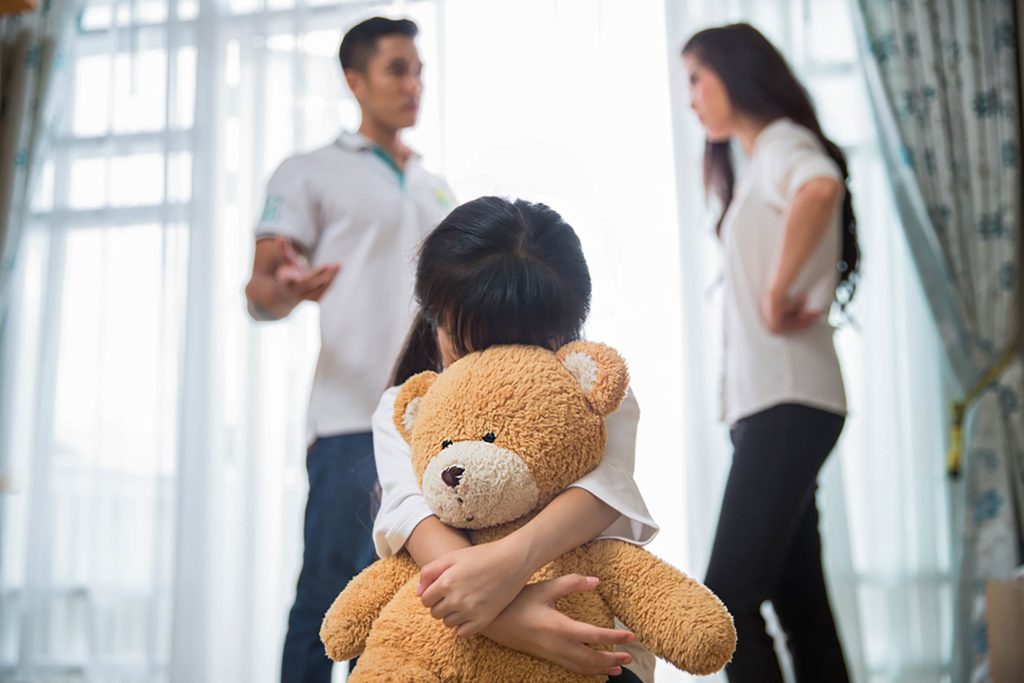
Unscrupulously, kids are naturally born with their little mischief, numerous petty mistakes, and most adorable faces. There is no denying the reality that some parents are bestowed with the stubborn creatures who dance on their nerves almost all the time. Have you got a real package of an adamant kid in your lap? Are you consistently in a worry for your little devil? Is the stubbornness pushing you in the condition of hysteria? No need to unnecessarily fretting. Let’s ponder over the following suggestions on how to efficiently deal with the stubborn kids in your house: – Not All Their Wishes Can Be Fulfilled: Your children should know that their…
-
3 Ideas for an Affordable Travel Date with Your Spouse
There is a number of fun and exciting ways to go out on dates that don’t cost a lot of money. Traditional romantic dinners will rightfully never go out of fashion, but there are many other ways to treat your spouse on a special occasion or without one, and they do not need to cost much. Travel dates are an affordable and creative way to do something that allows you to spend time with your spouse yet is not a traditional, conventional date. Such dates offer an opportunity to bond and interact in a new, exciting way. You do not need to go far distance-wise. Your local city, town, village,…
-
7 ways to avoid getting in touch with primary emotions
Primary emotions are the emotions that you feel immediately after something happens. You may learn that your spouse is going to be late and you feel sad and angry. These are examples of primary emotions. Other primary emotions are fear, hurt, excitement, joy, surprise and shame. How primary emotions can help you have a better marriage These emotions have a lot to give to you and to your marriage. The key is to learn to slow down, to become aware and to listen to your emotions. Once you do that, you’ll be able to communicate better with your spouse because you will be able to talk about emotions. It…
-
Top 4 Tips About How To Communicate Better In a Fight with Your Spouse
Become aware and name your fighting patterns Most couples have fights that repeat themselves. For example, it can be fights about finances or someone not doing the chores or not contacting the partner about some issues. Couples also typically fight in the same way. A spouse starts attacking and the other spouse responds in a similar way all the time, be it avoidance, silence or attacking back. It may be very hard to notice the patterns during your fights because your emotions are at your peak. Think about your fights when you are calm, cool and collected. Discuss them with your spouse and name them. Doing so will take a…
-
Top 5 Attitudes That Can Make Your Spouse Feel Unloved
In a marriage, partners know how to hurt one another. There are the obvious words or actions that would feel unloving to your partner. Unkindness, criticism, dishonesty, and indifference can break a marriage and a person. To prevent being the one to hurt or getting hurt, find out about each other’s behaviors, words, and actions that trigger one another. Indifference Being indifferent will make anyone feel unloved and hurt. Sometimes we say or do things unwittingly that can prompt pain and anger in our partner. When we trigger old wounds from the past or cross a boundary we didn’t know existed, a lot of damage can be done. One of…
-
Disagreeing Over This One Parenting Topic May Lead to Divorce
We all know you lose plenty of sleep when you first become a parent. Losing sleep can lower attentiveness, stunt reaction time, and shorten your temper, but as it turns out, just the topic of sleep can prove to be a major marital issue. A new study from Penn State has found that disagreement between spouses over their children’s bedtime can lead to major tension, and potentially divorce. Researchers posed questions to 167 mothers and 155 fathers about checking up on their child during the night at one month, three months, six months, nine months, and then 12 months. The study found that mothers with stronger beliefs about regularly tending to…
-
3 Ways to Use Emotions to Fight Less
When you and your partner are aware of the roles you take in your marriage and the patterns in your marital conflicts, you get new resources and tools that can help you deal with your issues. If you aren’t aware of your patterns, you risk getting stuck in conflicts and fights that look identical and seem to repeat themselves over and over again while you just can’t find the solutions. Such patterns tend to repeat themselves when couples can’t find their way out of negative emotions and interactions. The fights then become emotional quicksand and you feel like you are sinking deeper and deeper as you go, which can lead…
-
What Happens With Your Emotions During Your Interactions with Your Spouse
Happily married couples share goals, needs and are able to communicate not just about the minutia of their daily lives, but also about their emotions. When partners struggle to connect on an emotional level, it typically shows up in their conflicts, too. Your spouse may be getting upset that you are ignoring social events at his or her job, but the real reason why your spouse gets upset may have nothing to do with the events themselves. It is very likely that the real issue is about relying and counting on the partner and being a priority for the spouse. The partners may be committed to their marriage, but if…
-
Your Past and Its Influence on Your Marriage
Both you and your spouse have your own relationship histories that include not just your previous romantic partner, but also your parents, siblings, relatives, friends, coworkers and mentors. All of these relationships and histories shape your behavior today. They also have a large impact on the roles you assume in your marriage. Your history of your close relationships with others has a lot to do with how your fight, how you act when you are happy and how you behave during intimate moments. The way your parents raised you plays an important role in who you are today, but the emotional climate that prevailed when you were growing up was…
-
What Married Couples Need to Know About Withdrawing
During the times of stress and fights in a marriage, some spouses use withdrawing as a way to cope with their stress. They move away from a conflict to try and get away from what is causing them to feel emotions that they are not comfortable with. How withdrawing works If you or your spouse use withdrawing as a coping mechanism, it means that your approach to stress is to be independent and self-reliant. It may include both physical and emotional distance. For example, you or your spouse may still choose to engage in a conversation about the issues in your relationship, but one of you may choose to…