Anxious Avoidant Relationships: Signs, Patterns and How to Break the Cycle
Last updated October 21, 2026 by the Marriage Bliss Editorial Team.
An anxious-avoidant relationship is a pattern in which one partner craves closeness and reassurance (the anxious style) and the other needs space and independence and feels overwhelmed by closeness (the avoidant style). The anxious partner pursues, the avoidant partner withdraws, and each reaction makes the other worse. It’s one of the most common reasons couples feel stuck in the same fight, and it’s something couples can learn to change.
This guide explains the pattern in plain language, how it shows up in marriage, how to recognize it in yourself, and practical ways to break the cycle. Attachment styles come from psychology research, but they’re tendencies, not diagnoses or labels. This is general information, not therapy.
At a glance
- The pattern: pursue and withdraw. The more one chases, the more the other retreats.
- Anxious tendency: fear of abandonment, need for reassurance, protest through clinging or criticism.
- Avoidant tendency: discomfort with closeness, self-reliance, withdrawing under stress.
- What helps: naming the cycle, communicating needs directly, small steady reassurance and space, and often counseling.
What are attachment styles?
Attachment theory, which began with studies of how children bond to caregivers, has been extended to adult relationships. Researchers often describe four broad patterns: secure, anxious, avoidant and a mixed type sometimes called fearful-avoidant or disorganized. Most people lean somewhat in one direction, and styles can shift with experience, with a supportive partner and with therapy. Online quizzes can be a starting point, but they aren’t diagnoses.
Is this normal?
Yes. Many couples contain one person who needs more closeness and one who needs more independence, even if the labels don’t fit neatly. The pattern doesn’t mean the relationship is doomed or that either partner is broken. It means each person’s way of coping with stress triggers the other’s. If you’ve noticed that arguments follow the same script, it may be this. See also fights all couples have.
What the cycle looks like
- Stress or distance appears. Work stress, a busy week, an argument.
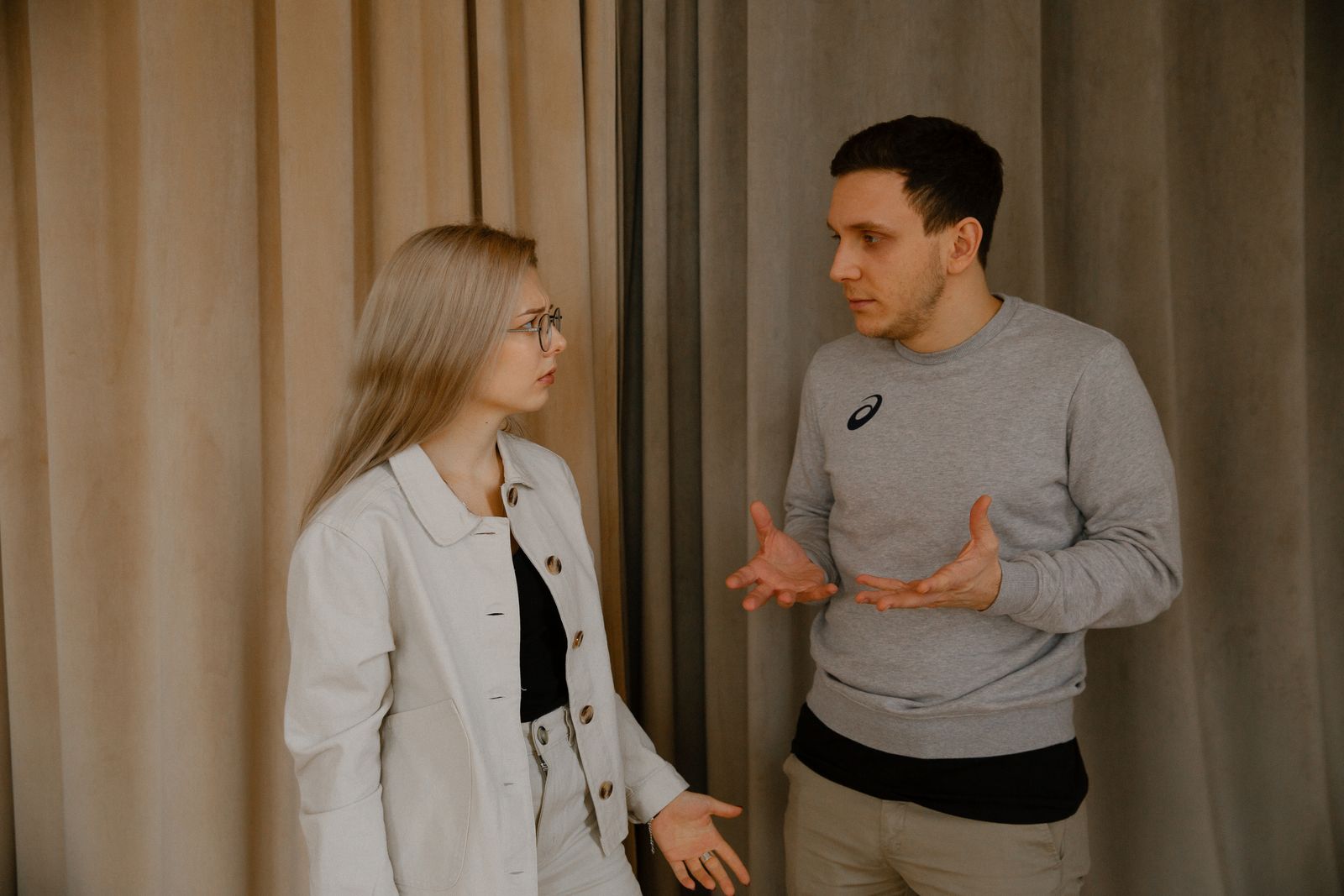
- The anxious partner feels afraid of disconnection and reaches out: more texts, questions, criticism, or protest.
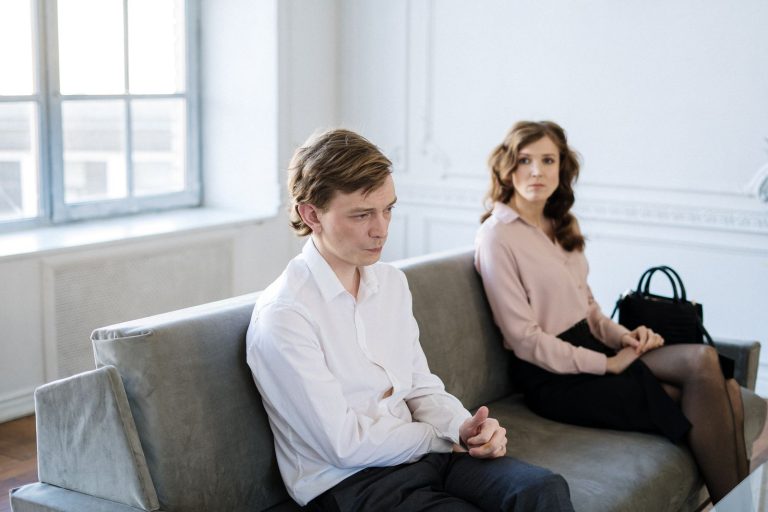
- The avoidant partner feels pressure or criticized and withdraws: goes quiet, gets busy, needs space.
- The withdrawal confirms the anxious partner’s fear, so they pursue harder.
- The pursuit confirms the avoidant partner’s feeling of being overwhelmed, so they pull further away.
- Both feel misunderstood. Then the cycle repeats.
This is similar to what researchers call the demand-withdraw pattern. See our guides to the silent treatment and when your partner won’t open up.
Signs of an anxious tendency
- Worrying that your partner will leave or lose interest.
- Needing frequent reassurance.
- Reading into small changes in tone or response time.
- Feeling intense distress when your partner is distant.
- Pursuing, checking or protesting when you feel insecure.
Signs of an avoidant tendency
- Valuing independence and feeling smothered by too much closeness.
- Withdrawing, shutting down or going quiet during conflict.
- Discomfort with vulnerability or talking about feelings.
- Prioritizing work or hobbies over time together when stressed.
- Keeping an escape route in mind.
His side, her side
The anxious partner: “I just want to feel connected. When you pull away, I panic and say things I don’t mean.”
The avoidant partner: “I love you, but when I feel pressured, I shut down. I need space to think, and I don’t know how to say that without hurting you.”
Each person’s behavior makes sense to them. The cycle is the problem, not either partner.
How to break the cycle: 8 steps
- Name the pattern together, outside of a fight. “I think we get stuck in a chase-and-retreat thing. Does that sound right?”
- Understand each other’s fear. Anxious: “I’m afraid you’ll leave.” Avoidant: “I’m afraid I’ll be overwhelmed or fail you.”
- Agree on a time-out with a return. “I need 30 minutes, and I’ll come back at 8.” The avoidant partner commits to return; the anxious partner agrees to wait. See how to stop an argument and de-escalate.
- Ask directly instead of protesting. Anxious: “I’d love a hug and five minutes to talk tonight.” Avoidant: “I need an hour alone, and then I’m all yours.”
- Build small, regular reassurance. A daily check-in, a goodbye ritual, a short text. Consistency calms anxiety.
- Practice small steps toward closeness, for the avoidant partner. Share one feeling a day, and stay in conversation a little longer.
- Soothe yourself. Anxious partners can learn calming skills. Avoidant partners can learn to notice and name feelings.
- Get help. A couples counselor, especially one trained in attachment-based approaches, can help. See our marriage counselor guide.
What to say (and what not to say)
Try:
- “I’m feeling anxious about us. Can we spend a little time together tonight?”
- “I’m feeling overwhelmed. I need some space, and I’ll be back in an hour.”
- “I know you pull away when you’re stressed. It’s not about me, is it? How can I help?”
Avoid:
- “You never care.” / “You’re too needy.”
- Leaving without explanation.
- Testing your partner or playing games to see if they care.
- Diagnosing your partner with a label.
Our guides to listening to your spouse and fighting fair support these steps. If you want to rebuild closeness, see how to reconnect with your spouse and coping with emotional insecurity.
Can this pattern change?
Yes. Research and clinical experience suggest that attachment tendencies can become more secure over time, especially with a consistent, responsive partner, self-awareness and, often, therapy. It takes patience, and it doesn’t require one partner to become the other.
When it’s a bigger problem
Seek help if:
- The cycle includes threats, intimidation, controlling behavior or violence. That’s not an attachment pattern; it’s abuse. Contact the National Domestic Violence Hotline at 1-800-799-7233 or text START to 88788.
- Anxiety, fear of abandonment or avoidance severely affects daily life. A therapist can help.
- You or your partner experience depression, panic or thoughts of self-harm. Call or text 988.
- Past trauma is behind the pattern. A trauma-informed therapist can help.
This article is general information, not therapy or a diagnosis.
See also stonewalling in marriage.
For all four styles, see attachment styles in marriage.
Want more on this topic? See our guide to the habits of a happy marriage.
Frequently asked questions
What is an anxious-avoidant relationship?
It’s a pattern where one partner seeks closeness and reassurance and the other needs space and withdraws, creating a cycle in which each triggers the other.
Can an anxious-avoidant relationship work?
Yes, if both partners understand the pattern, communicate needs directly and work on responding differently, often with counseling.
Can attachment styles change?
They can become more secure over time with self-awareness, a supportive partner and therapy.