Different Interests in Marriage: How Couples With Nothing in Common Stay Close
Last updated October 26, 2026 by the Marriage Bliss Editorial Team.
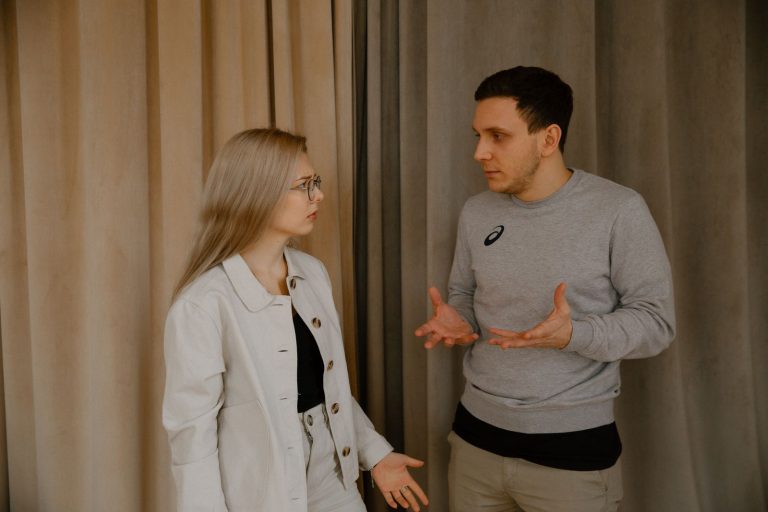
A popular meme shows a spouse who loves a certain sci-fi movie franchise and another who has never seen any of it. The joke is that you can share a bed, a mortgage and a whole life and still have totally different tastes in what to watch on a Saturday night.
If you’ve ever worried that you have no common interests with your spouse, you’re in good company. Most couples don’t share every passion, and most do fine. Here’s how couples with different interests stay close, and how to build a few shared ones if you want to.
At a glance
- You don’t need identical hobbies. You need connection and curiosity.
- Shared values matter more than shared interests.
- Be interested in them being interested. Ask, listen and celebrate.
- Build a few shared rituals. They can be small.
- Time apart is healthy, as long as time together exists too.
1. Is it a problem if we have different interests?
Usually no. Many happy couples have different hobbies, friends and tastes. What matters is how you treat the difference. If you respect your partner’s passion, it adds variety. If you mock it or resent it, it becomes a wall. Research on long-term couples suggests shared values, kindness and routines of connection predict closeness better than identical interests.
2. How to stay close when your interests differ
- Ask about their world. “What do you love about it?” shows care even if you’ll never love it too.
- Try it once. Join in occasionally with an open mind. You don’t have to become a fan.
- Protect each other’s time. Give each other room to enjoy hobbies without guilt. See personal space in marriage.
- Find the overlap. You might both like food, travel, walks or a TV show, even if not the same genre.
- Take turns choosing. You pick the movie this week, they pick next.
- Share the feeling, not the activity. “I love seeing how happy this makes you” is connection.
3. Ideas for hobbies as a couple
- Cooking a new recipe together.
- Walks, hikes or bike rides.
- A class neither of you has tried.
- A shared project: a garden, a home repair, a puzzle.
- Volunteering together.
- A weekly game night or TV series.
- Travel with a theme: food, history, beaches.
For more ideas, see at-home date night ideas, cheap date ideas and date night ideas for parents.
4. When different interests become a problem
- Your hobbies are replacing time together.
- You resent your spouse’s interests or feel competing with them.
- You can’t remember the last thing you did together for fun.
- You feel like roommates. See too comfortable in a relationship.
Start with a gentle talk: “I miss us. Can we find something to do together?” If you’re feeling disconnected beyond hobbies, consider whether something bigger is going on and talk to a counselor.
A 4-week plan for couples with different interests
This plan isn’t about turning you into twins. It’s a low-pressure way to find where your worlds overlap.
- Week 1: Show and tell. Each of you explains one interest for ten minutes: what you love, what a good day at it looks like. The listener asks two questions and says nothing negative.
- Week 2: Try theirs. Join in for an hour: watch the game, hike the trail, sit in on the craft night. Your only job is to be curious.
- Week 3: Find the overlap. Write down five things you both enjoy, even loosely (a type of food, a place, a show, a kind of weather). Plan one for the weekend.
- Week 4: Build a ritual. Pick one regular thing you do together: a Sunday walk, a Friday takeout and show, a monthly new restaurant. Put it on the calendar.
At the end, talk about it: “What felt good? What do you want to keep?” Keep the rest, and drop what didn’t work.
Special situations
- One hobby takes a lot of time or money. Agree on a budget and a schedule so it doesn’t become a source of resentment. A set weekly block works better than constant negotiating.
- One partner has no obvious hobbies. That’s fine, but it can feel lopsided. Encourage them to try something that’s theirs, without pressure.
- Your interests clash with each other’s values. If something strikes the other as harmful or embarrassing, talk about the underlying concern instead of the hobby.
- When the kids are involved. Let each parent introduce the kids to their interests. It gives kids variety and gives you both something to share.
- When friends and social lives differ. You don’t have to share friends. Agree on which events you’ll attend together and which are solo.
If you’re the one who feels left out
If your spouse is deep into a hobby and you feel like you’re on the outside, these may help:
- Say it kindly. “I love that you have this. I miss you a bit when you’re deep in it. Can we plan something together this weekend?”
- Ask for a role. If it’s a sport or craft, ask if there’s a way you can be part of it, such as keeping score, cooking for the group or traveling to an event.
- Build your own thing. Having something of your own makes their hobby feel less threatening.
- Don’t compete with it. You’ll lose, and it will make your spouse defensive. Compete for their attention at the right moments instead.
- Check the bigger picture. If the hobby is a place to hide from the marriage, it’s the distance you need to talk about. See did I marry the wrong person?
What this looks like in real life
A composite example: one spouse loves old sci-fi movies, the other finds them baffling. For years the husband watched alone and the wife felt shut out. One evening she asked, “What do you love about these?” He talked for twenty minutes. She still doesn’t love sci-fi, but she now knows what lights him up, and she picks up popcorn on movie night. He started joining her Sunday garden walks in return. Neither changed taste. Both changed attention.
The bigger life lesson: curiosity is a form of love
It’s tempting to think compatibility means having the same tastes. The longer people stay married, the more they find that what matters is something else: interest in each other. A few lessons worth keeping:
- You don’t have to love it to love them loving it. Delight in your spouse’s delight is one of the quietest and strongest bonds in a marriage.
- Shared values matter more than shared hobbies. Honesty, kindness, family, faith, how you treat money and people: these decide whether you can build a life together. Movies and sports are the seasoning.
- Don’t mock what they love. Teasing is fine when both laugh. Contempt for someone’s passion tells them that part of them is unwelcome.
- Different worlds make better stories. Couples with separate interests bring home something new. Variety keeps a long marriage from getting stale.
- Keep a few “ours.” Even if most of your interests differ, one or two shared rituals give you somewhere to meet.
The point isn’t to become the same person. It’s to stay curious about the one you married.
Five questions to talk about tonight
- What’s one thing you love doing that I haven’t asked you about enough?
- What would you like to try together, even if it’s outside both our comfort zones?
- Do you ever feel I’m not interested in your hobbies? What would help?
- Which of our shared routines do you value most?
- What’s a hobby of yours you’d like me to see in action once?
Try asking one question a week over dinner. Curiosity grows with practice.
Want more on this topic? See our guide to marriage communication and conflict.
Frequently asked questions
Can a marriage work if you have nothing in common?
Yes, if you share core values, respect each other and keep making time for connection.
How do you find hobbies to do as a couple?
Try new things, take turns choosing and look for overlap in food, travel, movement or learning.
Should I join my spouse’s hobby?
Try it once or occasionally, but you don’t have to adopt it. Showing interest counts.
Can a marriage last if we have nothing in common?
Yes, if you share core values, respect each other and keep finding ways to connect. Couples rarely have everything in common. What lasts is care, curiosity and a handful of shared routines.
How do we find hobbies we both enjoy?
Take turns trying each other’s interests, then look for the overlap, such as food, walks, travel or a TV series. Treat it as an experiment, not a test.
The bottom line
You don’t have to like the same movies. You have to like each other, and be curious about what makes the other light up.
This article offers general information, not professional advice.