When Your Partner Uses AI to Win Arguments
Last updated October 22, 2026 by the Marriage Bliss Editorial Team.
If your partner uses an AI chatbot to win arguments, such as pasting your texts in and reading back the “verdict,” or quoting its answers as proof you’re wrong, the problem usually isn’t the tool. It’s that a conflict has become a debate with a referee, which leaves you feeling judged, ambushed or unheard. A chatbot only sees what it’s been told, often one side of the story, and many are designed to be agreeable, so it can tell whoever is asking what they want to hear.
This guide explains why people do it, why it backfires, how it feels, how to talk about it without escalating, healthier ways to use AI around relationship stress, and when it points to something bigger. It focuses on principles, not products, because the technology changes quickly. It’s general information, not therapy.
At a glance
- Why it backfires: it turns a feelings conversation into a contest, relies on one-sided input and invites “I’m right” thinking.
- Usually fine: using AI privately to organize your thoughts or practice a calm way of saying something.
- Not fine: using it as a weapon, or submitting your spouse’s words for judgment without their knowledge.
- What helps: a no-referee rule, shared agreements about AI and returning to listening.
Is this normal?
It’s new, and many couples are still working out where the lines are. AI tools are widely used for everything from emails to advice, so it’s natural that some people turn to them during conflict. Many also feel uneasy when it’s done to them. If you’ve been on the receiving end, your reaction is understandable. See also AI chatbots and cheating for related questions about trust.
Why people do it
- Wanting validation. It’s tempting to ask for an “objective” ruling in your favor.
- Struggling to find words. Some people use AI to articulate feelings they find hard to express.
- Avoiding the discomfort of the real conversation. Outsourcing it feels easier.
- Trying to be fair, by looking for a neutral opinion.
- A habit of looking things up. It may be how they handle every question.
- Power. In some cases, it’s a way to win, shut the other person down or prove superiority.
Why it backfires
- It’s one-sided. The tool only knows what it’s told, usually the asker’s version, and it can’t know your history, tone or intentions.
- It can flatter. Many chatbots are built to be helpful and agreeable, so they may validate whoever is typing.
- It can sound authoritative when it isn’t. It can also be wrong.
- It turns feelings into a trial. Relationship conflict is about understanding and repair, not scoring points.
- It can feel like betrayal. Sharing your private words or conflicts with a tool without your knowledge can break trust.
- It replaces listening. If a verdict is delivered, nobody has to hear the other person.
His side, her side
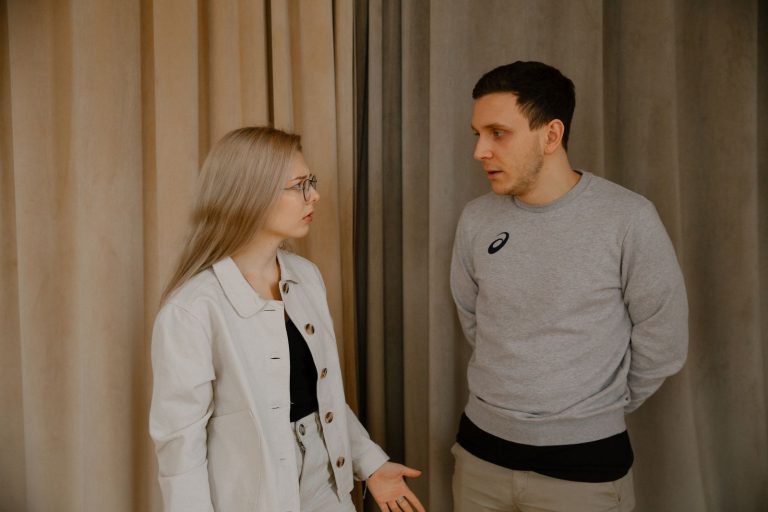
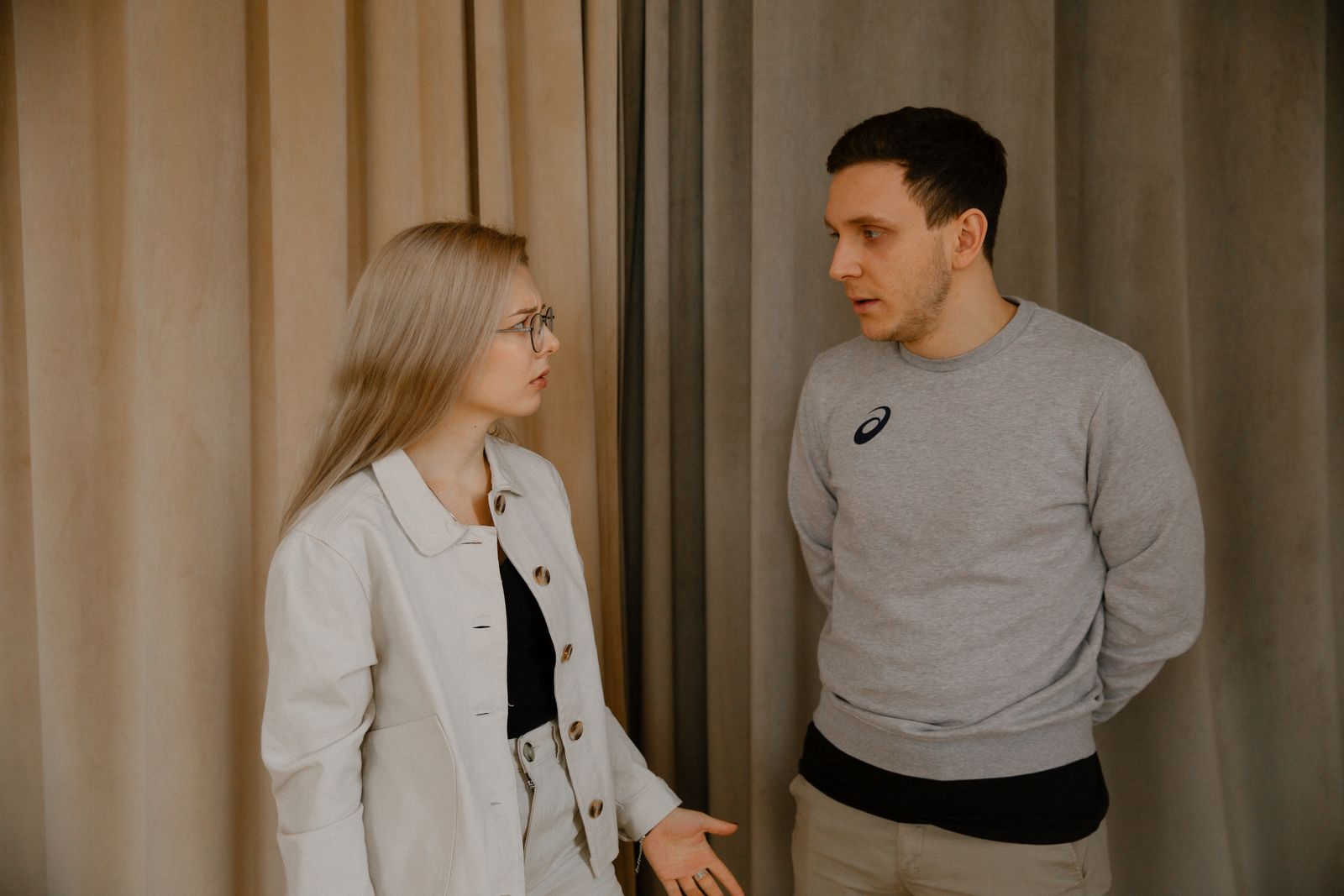
The partner who feels ambushed: “I feel like I’m on trial, and I’m being compared to a machine’s opinion. I don’t feel heard, and I don’t know what he’s told it about me.”
The partner who uses it: “I’m trying to be fair and to find the right words. I get overwhelmed in arguments, and this helps me think.”
Both may have good intentions and still hurt each other. The conversation needs to be about how it feels, not who’s right.
What to do: 7 steps
- Take a break if you’re mid-argument. Resolve to talk about it later, calmly. See breaks without stonewalling.
- Say how it felt, not what it proves. “When you read me what the AI said, I felt like I was being judged, and I stopped being able to listen.”
- Ask about the “why.” “What were you hoping it would do for you?”
- Agree on a no-referee rule. No quoting AI as proof in an argument, and no sharing each other’s private messages with a tool without permission.
- Agree on healthy uses. It’s fine to use it privately to calm down, find words or plan a kind opening, as long as the conversation is still between the two of you.
- Return to the basics. Listening, “I” statements, one issue at a time. See rules for fighting fair and listening to your spouse.
- Get human help for recurring conflicts. A counselor can do what a chatbot can’t. See our marriage counselor guide.
What to say (and what not to say)
Try:
- “I’d rather we figure this out between us. When an AI weighs in, I feel like it’s a contest.”
- “Using it to help you find words is fine. Can we agree not to bring it into the argument itself?”
- “What do you need in an argument that you’re not getting?”
Avoid:
- “Even the AI says you’re wrong.”
- Sharing your spouse’s private messages with a tool without telling them.
- Mocking their attempt to communicate better.
- Treating a chatbot’s answer as a diagnosis of your marriage or your partner.
Using AI in healthier ways
- Practicing how to start a hard conversation calmly.
- Brainstorming questions to ask your partner.
- Calming down by organizing your own thoughts.
- Remembering that it’s a tool, not a therapist, and that serious or safety concerns need a real professional.
When it’s a bigger problem
Seek help if:
- Your partner uses AI or other tools to control, belittle or confuse you, or to build a “case” against you. See manipulation in relationships and signs of a toxic relationship. Contact the National Domestic Violence Hotline at 1-800-799-7233 or text START to 88788 if you feel afraid.
- Someone is relying on a chatbot instead of people during a mental health crisis. Chatbots aren’t a substitute for professional care. Call or text 988 if you’re in crisis.
- You can’t discuss conflicts without one of you shutting down. A counselor can help.
This article is general information, not therapy.
If your spouse uses AI to vent rather than to argue, see my spouse talks to AI about our marriage: is that okay?
Want more on this topic? See our guide to communication and conflict in marriage.
Frequently asked questions
Is it okay to use ChatGPT or AI in a relationship argument?
Using it privately to calm down or find words can be fine. Using it as a referee or weapon in the argument usually backfires, because it’s one-sided and turns the conflict into a contest.
Why does it feel so bad when my partner quotes an AI?
It can feel like being judged by something that doesn’t know you or the full story, and it replaces the listening you were hoping for.
How do we set rules about AI in our relationship?
Agree not to use it as a referee, not to share each other’s private messages with it without permission, and to use it only for private reflection or practice. Revisit the rules as you go.