Postpartum Depression and Marriage: How to Support Your Wife
Last updated October 22, 2026 by the Marriage Bliss Editorial Team.
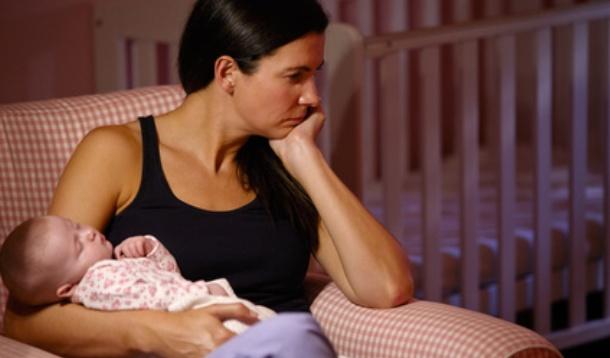
Postpartum depression (PPD) is a common, treatable medical condition, and it affects the whole marriage, not just the new mom. Unlike the “baby blues,” which fade within about two weeks, PPD lasts longer and can make it hard to function. The CDC estimates that about one in eight women who recently gave birth report symptoms of postpartum depression. If you’re wondering how to support a wife with postpartum depression, the most important steps are to recognize the signs, encourage her to get care quickly, share the load at home, and look after your relationship and yourself along the way.
If you or your wife are in crisis: call or text the National Maternal Mental Health Hotline at 1-833-852-6262 (24/7, free and confidential), or call or text 988. If there are thoughts of harming herself or the baby, call 911 or go to the nearest emergency room.
At a glance
- Baby blues: mood swings and tearfulness that ease within about two weeks.
- Postpartum depression: symptoms that last longer or are severe, and can start any time in the first year.
- How partners help: notice signs, help her get care, take on night feeds and chores, and stay patient.
- Dads and partners: can experience postpartum depression too.
1. How to know if it’s postpartum depression
Signs that last more than two weeks or get in the way of daily life can include:
- Persistent sadness, hopelessness, or emptiness.
- Crying often, sometimes without knowing why.
- Feeling disconnected from the baby or not bonding as expected.
- Intense anxiety, panic, or racing thoughts.
- Feeling worthless, guilty, or like a bad mother.
- Withdrawing from her partner, family, or friends.
- Sleep problems beyond what the baby causes, or sleeping too much.
- Irritability or anger.
- Thoughts of harming herself or the baby (seek help immediately).
Only a healthcare provider can diagnose PPD. Her OB-GYN, midwife, or primary care doctor can screen her, and the baby’s pediatrician often screens moms at checkups too.
2. How postpartum depression affects marriage
A new baby already shakes up a marriage: less sleep, less time together, and new roles. PPD adds to that. Partners often report feeling shut out, helpless, or confused by mood changes. Intimacy may disappear for a while. Arguments can increase. None of this means your marriage is failing; it means you’re both going through something hard. Our guide to marriage after baby covers the normal changes.
3. How to support a wife with postpartum depression
Say what you see, gently
“You seem really down lately, and I’m worried about you. I love you. Can we talk to your doctor together?” Avoid “snap out of it” or “but we have a healthy baby.” PPD is not a choice or a lack of gratitude.
Help her get care fast
Offer to make the appointment, drive her, and watch the baby. Treatment can include therapy, medication, or both, and newer medications developed specifically for postpartum depression are now available. Early treatment tends to work better.
Protect her sleep
Sleep loss worsens depression. Take on night feeds where you can (with bottles of pumped milk or formula), or split the night into shifts so she gets a solid block of sleep.
Take things off her plate
Handle meals, laundry, and visitors without being asked. Our article on dividing chores in marriage has ideas for fair splits.
Be patient with intimacy
Physical intimacy may take a long while to return. Keep up non-sexual affection like hugs and hand-holding, and let her set the pace. See building intimacy in marriage.
Reassure her, often
She may feel like a failure. Tell her specifically what she’s doing well and that you’re in this together. Our list of words of affirmation can help.
4. Take care of yourself, too
Supporting someone with depression is exhausting. Research suggests that around one in ten new fathers also experience depression around the birth of a child. Talk to your own doctor if you notice persistent low mood, irritability, or withdrawal. Lean on friends, family, and groups like Postpartum Support International, which offers support for both moms and partners. See also how to help a depressed spouse.
5. Will our marriage recover?
For most couples, yes. With treatment, most women recover from postpartum depression, and many couples say coming through it together made them stronger. Keep communicating, ask for help early, and give each other grace. If conflict lingers after she’s feeling better, a couples counselor can help you reconnect; our counselor guide explains how to find one.
Related: my husband doesn’t help with the baby: what to do.
For reconnecting afterward, see intimacy after baby.
Also see resentment after baby.
Frequently asked questions
How long does postpartum depression last?
It varies. With treatment, many women improve within a few months. Untreated, it can last a year or longer, which is why early care matters.
Can postpartum depression ruin a marriage?
It can strain a marriage, especially if it goes untreated. With treatment and a supportive partner, most couples come through it and recover their closeness.
What should you not say to someone with postpartum depression?
Avoid “just be grateful,” “snap out of it,” or comparing her to other moms. Instead, express concern, offer specific help, and encourage her to talk to a doctor.
This article is for general information and isn’t a substitute for medical advice. Talk to a healthcare provider about symptoms.