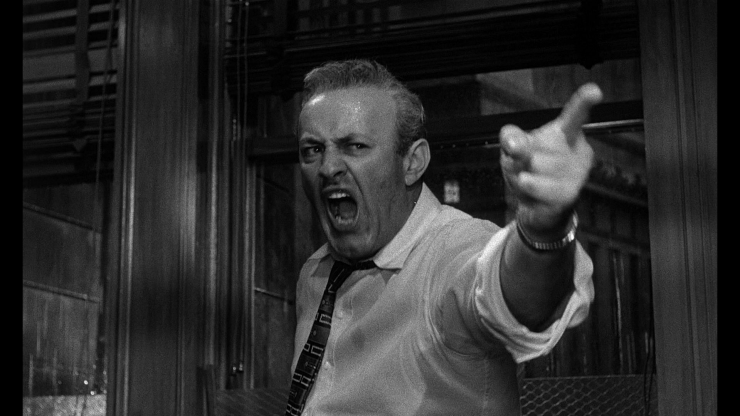
Jealous Spouse? What to Do If You’re Wrongly Accused of Cheating
Last updated October 29, 2026 by the Marriage Bliss Editorial Team.
If your spouse is jealous and keeps accusing you of cheating when you’ve done nothing wrong, the best response is to stay calm, listen for the fear underneath, and be consistently honest instead of getting defensive. Constant accusations hurt both of you: you feel distrusted, and your spouse feels anxious or insecure. Jealousy in marriage often says more about your partner’s past or insecurity than about your behavior, but there are still ways to break the cycle together. Here is how to respond.
At a glance
- Don’t react defensively. It usually adds fuel.
- Look for what could be misread and what your spouse needs.
- Stay honest and set loving, firm limits.
- Suggest counseling if accusations are constant or controlling.
1. See it through your partner’s eyes
When accusations start, pause before reacting. Ask what could have been misinterpreted:
- A flirty or teasing personality may be read as interest in others.
- Long hours or close work with colleagues can feel threatening.
- A friendship with an ex may trigger insecurity. See social media and marriage boundaries.
Understanding isn’t admitting guilt. It helps you respond to the real worry.
2. Find out what your spouse really needs
Behind accusations are often needs: closeness, reassurance, or attention. Try asking: “What would help you feel more secure?” Past betrayal, childhood experiences, or low self-esteem can make trust harder. Try saying: “I know you’ve been hurt before. I love you, and I don’t want to hurt you. When I’m accused, I feel hurt too. Can we talk about what’s going on?” See listening better.
3. Be honest and consistent
Telling your spouse to “stop being jealous” rarely works. Instead:
- Be transparent about plans and contacts that matter to them.
- Do what you say you will do.
- Offer affection and quality time.
- Explain calmly what you are and aren’t willing to accept.
4. Set healthy limits
Reassurance is kind, but you shouldn’t have to give up all friendships or submit to constant monitoring. Healthy boundaries protect you both. See boundaries in marriage and building trust.
5. When jealousy becomes a warning sign
Occasional jealousy is normal. It becomes concerning when it involves controlling behavior: tracking your location, isolating you from friends, checking your phone constantly, threats, or intimidation. That pattern can be emotional abuse. If you feel unsafe, contact the National Domestic Violence Hotline at 1-800-799-7233 or text START to 88788. If you’re in crisis, call or text 988.
6. Get support
A couples counselor or individual therapist can help your spouse work through insecurity and help you both rebuild trust. This article is general information, not professional advice.
What to say when you’re wrongly accused
- “I understand you’re scared. I’m not cheating, and I want to help you feel secure.”
- “Can you tell me what made you worried? I’d rather know than guess.”
- “I’m happy to be open with you. I’m not okay with being yelled at or followed.”
- “Would you be willing to see a counselor with me so we can work on this together?”
Avoid: mocking the fear, getting secretive in response, or “proving” yourself by giving up all privacy and friends.
Reasonable reassurance vs. controlling demands
| Reasonable reassurance | Controlling demands |
|---|---|
| Texting if you’ll be late | Constant location tracking and check-ins |
| Introducing your coworkers | Demanding you quit a job or drop friends |
| Being open if asked about a message | Going through your phone daily |
| Spending more time together | Forbidding you to go out without them |
Where jealousy often comes from
Unfounded jealousy is often rooted in past betrayal (by a parent, ex or previous partner), insecurity, anxiety or a recent stressful change. It doesn’t make the accusations fair, but understanding the source helps you respond with compassion while holding your boundaries. See the anxious-avoidant pattern and attachment styles in marriage.
Her side, his side
Her side: “My ex cheated on me. When he’s late and doesn’t text, my mind goes to the worst place.”
His side: “I’ve never given her a reason not to trust me. Being questioned all the time makes me feel like a suspect in my own home.”
Both are hurting. Simple agreements (like texting when plans change) plus counseling for the old wound often help.
Want more on this topic? See our guide to trust and infidelity in marriage.
Frequently asked questions
What do I do if my spouse accuses me of cheating and I didn’t?
Stay calm, listen, state the truth, and ask what your spouse needs to feel secure. Consider counseling.
Why is my spouse so jealous?
Common causes include past betrayal, insecurity, anxiety, or unmet needs for closeness.
When is jealousy a red flag?
When it includes control, isolation, monitoring, threats, or intimidation. Seek help if you feel unsafe.
The bottom line
Being wrongly accused of cheating hurts, but jealousy is usually about fear, not facts. Offer reasonable reassurance, stay honest and consistent, hold firm limits against control, and get help together. If jealousy turns into monitoring, isolation or threats, put your safety first.