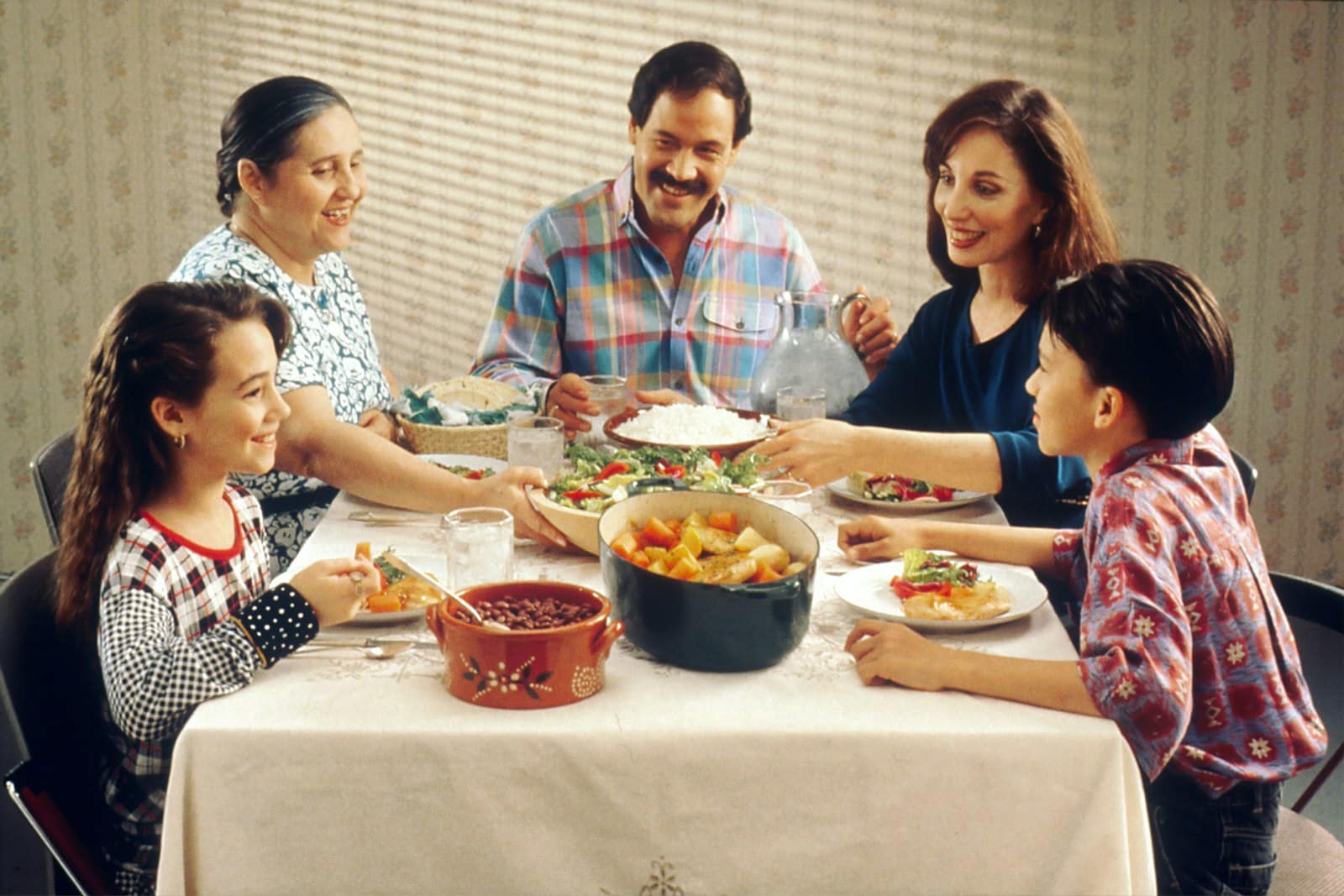
Blending Holiday Traditions: How to Merge Two Families’ Holidays
Last updated October 22, 2026 by the Marriage Bliss Editorial Team.
Blending holiday traditions is one of the first real tests of a marriage. You each grew up with a “right” way to do Christmas, Thanksgiving or Hanukkah, and both of your families would love for you to keep doing it their way. The goal isn’t to pick a winner. It’s to build traditions that feel like yours.
Whether this is your first holiday as a married couple or your fifteenth, these steps will help you merge traditions, split time between families, and keep the peace.
Why holiday traditions cause so much conflict
Traditions carry memories, identity and family loyalty. When your spouse suggests skipping Christmas Eve at your parents’, it can feel like they’re rejecting your family, not just changing a schedule. Differences grow when you come from different religions, cultures or regions, but even couples from similar backgrounds are often surprised by how strongly they feel about small things, like opening gifts on Christmas Eve vs. Christmas morning.
7 steps to blending holiday traditions as a couple
1. Each of you lists your must-have traditions
Write down every tradition you grew up with, then circle the top three that truly matter to you. You’ll often find that many traditions are “nice but optional,” and only a few are non-negotiable.
2. Don’t expect your spouse to fully surrender
If one partner’s family always wins, resentment builds quietly year after year. Aim for balance: both of you should see your most important traditions show up.
3. Combine instead of choosing
Often you can have both. Tamales on Christmas Eve and a big turkey on Christmas Day. Stockings in the morning, church at night. A menorah and a tree. Blending creates something new that belongs to your family.
4. Start at least one brand-new tradition
Pick something that’s just yours: a Christmas-morning pancake recipe, an annual holiday lights drive, a yearly ornament that marks something from the year. New traditions help you feel like a family, not just guests at two other families’ holidays.
5. Decide how you’ll split holidays between families
Common approaches that work:
- Alternate years. Thanksgiving with one family and Christmas with the other, then switch.
- Split the day. Brunch with one side, dinner with the other, if they live close.
- Host. Invite everyone to your home and let the families come to you.
- Celebrate on a different day. An “extended family Christmas” the weekend before takes pressure off the 25th.
Holiday logistics are one of the classic things that change after marriage, so expect some trial and error.
6. Present a united front to your families
Make the decision together, then each of you tells your own family. “We’ve decided to do Christmas morning at home this year” from their own child goes over far better than hearing it from the in-law.
7. Be willing to join in, even when it’s not your thing
If your in-laws’ tradition involves matching pajamas or a three-hour board game, play along when it doesn’t compromise your values. It builds goodwill with your spouse and their family, and it makes it easier to ask for the same when it’s your family’s turn.
When families don’t get along
You don’t need both families at the same table to have a happy holiday. Your marriage is the relationship to protect. If gatherings with one side are tense, keep visits shorter, set clear plans in advance, and agree on a signal for when either of you needs a break. For more help, see our guide to fights all couples have, including the holiday fight.
Blending religious traditions as well as family ones? Read interfaith marriage and raising kids.
Frequently asked questions
How do newlyweds split holidays between families?
Most couples alternate major holidays each year or split the day if families live nearby. Whatever you choose, decide together early and tell both families at the same time.
What if my spouse wants to spend every holiday with their family?
Talk about why it matters so much to them, then share what matters to you. Look for a schedule that honors both, such as alternating years, and revisit it if it isn’t working.
How do you blend traditions from different religions?
Focus on shared values like generosity, family and gratitude, and include meaningful elements from both faiths. Many interfaith couples celebrate both holidays and explain each one to their kids.
Still need gifts? See our Christmas gifts for your wife and Christmas gifts for your husband.