My Spouse Talks to AI About Our Marriage: Is Venting to ChatGPT Okay?
Last updated October 22, 2026 by the Marriage Bliss Editorial Team.
If your spouse talks to AI about your marriage, typing out arguments, asking a chatbot who’s right or venting about you late at night, it can feel unsettling. Is it harmless journaling, a privacy breach or a sign they’d rather talk to a machine than to you? The honest answer is that it depends on how it’s used. Using AI to calm down, organize thoughts or find better words can help. Using it to keep score, build a case against you or replace real conversation tends to hurt. What matters most is that the two of you talk about it openly and agree on what feels fair.
This article doesn’t recommend or criticize any particular app. It looks at the relationship principles, which apply whatever tool is involved.
At a glance
- Venting to a chatbot is increasingly common, and often comes from wanting to understand a conflict.
- It can help: cooling down, sorting feelings, drafting a calmer message.
- It can hurt: one-sided stories, “proof” you’re wrong, secrecy, avoiding real talks.
- Privacy matters: personal details about you are being shared with a company’s system.
- AI isn’t a neutral judge. It only hears one side, told one way.
- Agree on boundaries together, just as you would with venting to friends.
Is it normal for a spouse to vent to AI?
It’s becoming very normal. Chatbots are always available, never get tired of listening and don’t gossip to your friends. For someone who struggles to put feelings into words, or who doesn’t want to burden friends, typing it out can feel safe.
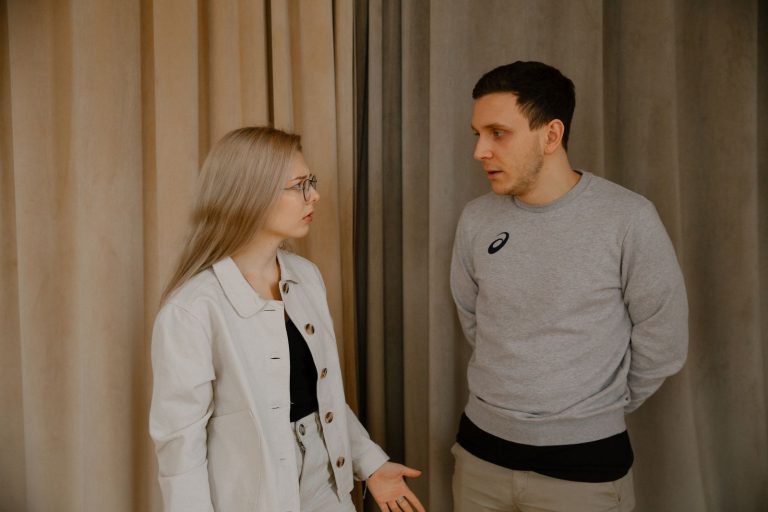
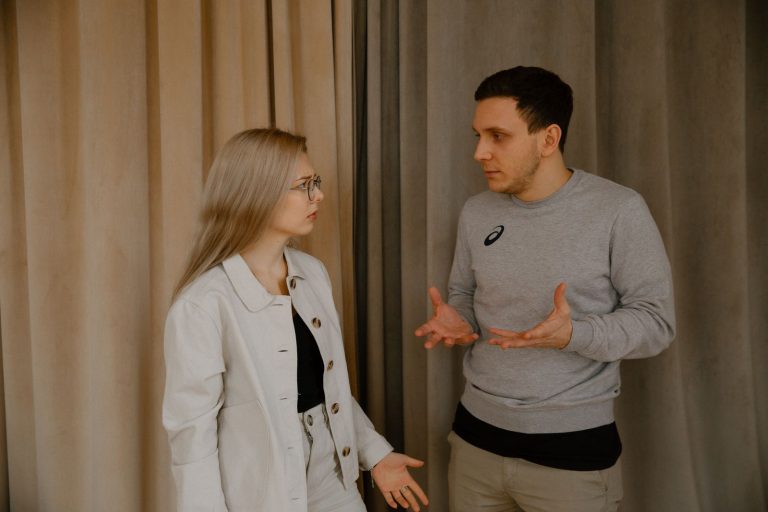
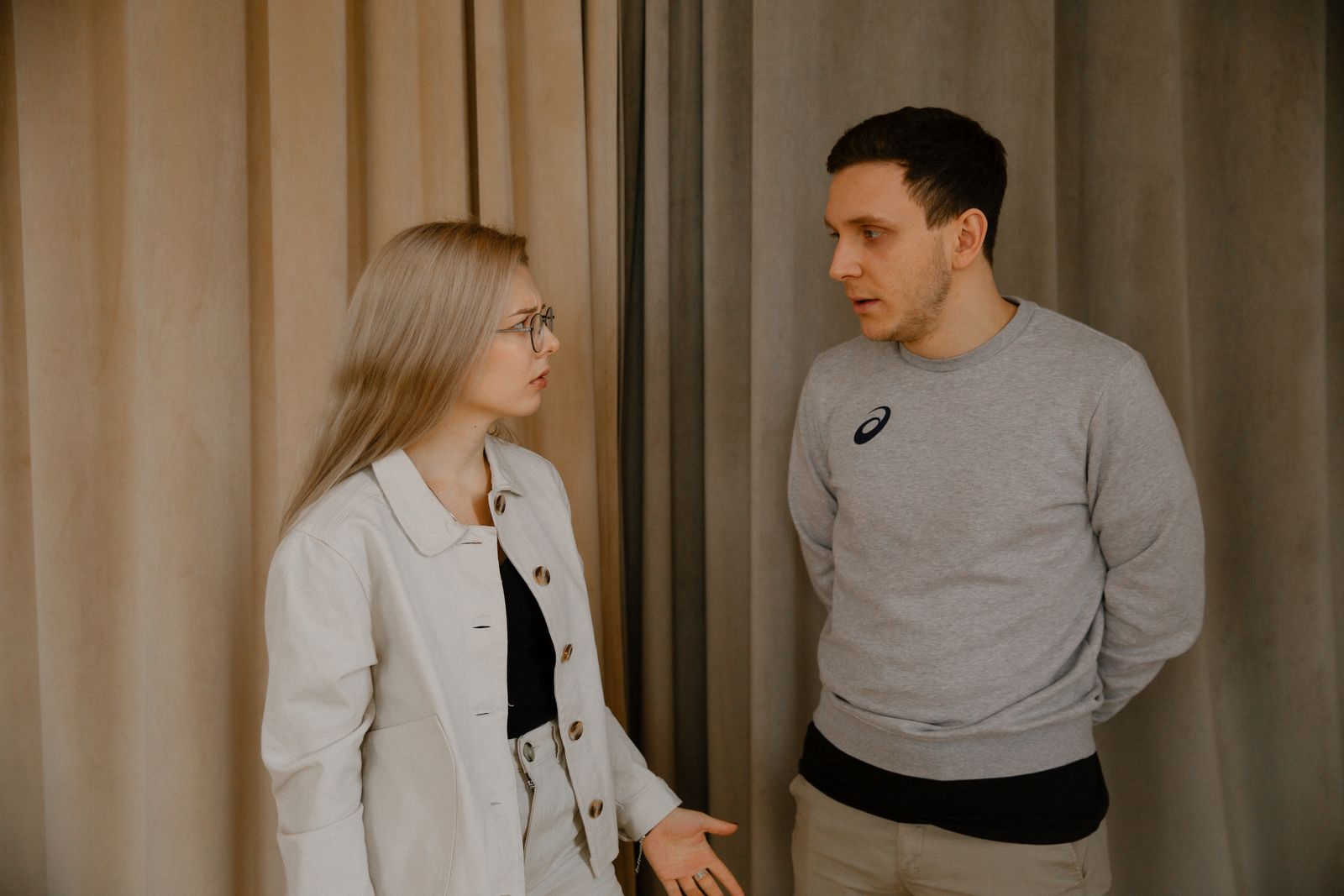
It’s also normal to feel uneasy when you find out. Your marriage is being described to something outside it, usually from only one perspective. You may wonder what was said, how you were portrayed, and why your spouse didn’t come to you instead.
1. When AI relationship advice can help
- Calming down. Writing out a frustration can take the heat out of it before a conversation.
- Finding words. Some people use AI to turn “you never help me!” into a clearer, kinder request.
- Understanding patterns. General information about communication, conflict styles or concepts like stonewalling can be useful.
- Preparing for a hard talk, such as planning how to raise a sensitive subject.
- Feeling less alone late at night when no one else is awake.
2. When venting to ChatGPT about your relationship hurts
- It replaces talking to each other. If the chatbot hears about problems your spouse never hears about, the marriage loses the chance to fix them.
- It becomes a judge. AI can only respond to the story it’s told. “My spouse did X; am I right?” usually gets an answer that supports the teller.
- It’s used as ammunition. “Even ChatGPT says you’re wrong” turns a tool into a weapon. Our guide to a partner who uses ChatGPT to win arguments covers this.
- It’s secret. Hidden chats about the marriage can feel like a betrayal, especially if they’re emotional or intimate.
- It becomes an emotional confidant. If your spouse turns to an AI companion for comfort and closeness instead of you, read is using an AI chatbot cheating?
- Privacy. Detailed personal information about you, your kids or your health may be stored by a company. Many people don’t think about this until later.
3. His side, her side
The partner who vents to AI might say: “It’s like a journal that talks back. When I’m upset, it helps me calm down and figure out what I actually want to say. I’m not trying to replace you; I’m trying not to blow up at you.”
The partner who found out might say: “I felt exposed. You told a chatbot things you haven’t told me, and I have no idea how you described me. If something’s wrong, I want to hear it from you.”
Both reactions make sense. Often the venting partner is trying to be more thoughtful, and the other partner wants more honesty and closeness. That’s a good starting point.
4. How to talk about it
- Start with curiosity, not accusation. “I noticed you’ve been using AI to talk about us. Can you tell me what it’s been like for you?”
- Ask what it gives them that they’re not finding elsewhere: calm, clarity, someone to listen.
- Share how it feels for you: exposed, left out, worried about privacy, or maybe relieved they’re working on communication.
- Agree on boundaries (see below).
- Make room for real conversation. If they vent to AI because talking to you feels unsafe or unproductive, that’s worth addressing directly. Our guide on talking without your partner getting defensive may help.
5. Boundaries couples agree on
- Use it to prepare, not to judge. Drafting a calmer message is fine; asking it to rule on who’s right is not.
- No AI “verdicts” in arguments.
- Keep identifying details out: names, health information, kids’ details, finances.
- Bring it back to each other. Anything worked through with AI gets talked about with your spouse within a day or two.
- No secret emotional relationships with AI companions.
- Openness: it’s okay to use these tools, but not to hide them.
6. What to say (and what not to say)
Try:
- “I’m glad you’re trying to find better ways to talk about hard stuff. I just want to make sure you’re talking to me too.”
- “Can we agree that we won’t bring what a chatbot said into our arguments?”
- “I’d feel better if our private details stayed between us. Could you keep it general?”
Avoid:
- “That’s pathetic.” Mocking it will make them hide it.
- Demanding to read every chat as a punishment.
- Answering with your own AI-generated rebuttal.
7. Human help vs. AI help
AI tools can offer general information and help organize thoughts, but they don’t know your history, can’t see both sides, can’t spot safety concerns reliably and aren’t licensed to treat anyone. For ongoing conflict, a couples counselor brings training, accountability and the ability to hear both of you in the room. For a crisis, people are the right first call: a friend, a professional or a crisis line.
If you’re the one who vents to AI
If you use a chatbot to work through marriage frustrations, a few habits keep it helpful rather than harmful:
- Tell the whole story, including your part. You’ll get more useful responses, and you’ll see the situation more fairly yourself.
- Ask “how do I say this kindly?” rather than “am I right?”
- Leave out names and sensitive details, especially about your kids, health or finances.
- Set a limit. If you notice you’re spending more time talking to a chatbot than to your spouse, that’s a signal to bring things back into the marriage.
- Be open about it. Telling your partner “I sometimes use AI to calm down before we talk” removes the secrecy that makes it feel like a betrayal.
Used this way, the tool becomes a rehearsal space for better conversations with your spouse, not a replacement for them.
8. When it’s a bigger problem
- Your spouse spends hours a day confiding in an AI and very little time talking with you.
- Chats include romantic or sexual role-play kept secret from you.
- AI “advice” is used to justify controlling or hurtful behavior.
- Your spouse seems isolated, depressed or increasingly withdrawn.
A couples counselor can help. If arguments involve threats or you feel unsafe, contact the National Domestic Violence Hotline at 1-800-799-7233. If you or your spouse are in crisis or thinking about self-harm, call or text 988; a chatbot is not a substitute for crisis support.
Want more on this topic? See our guide to marriage communication and conflict.
Frequently asked questions
Is it okay to vent to ChatGPT about my relationship?
It can be a helpful way to calm down and organize your thoughts, as long as it doesn’t replace talking with your partner, isn’t used as a verdict in arguments and doesn’t share private details your partner wouldn’t want shared.
Is talking to AI about my marriage a betrayal?
Not automatically. It can feel like one when it’s secret, emotionally intimate or used to build a case against your spouse. Talking openly about how you use it helps.
Can AI give good relationship advice?
It can offer general information, but it only hears one side and doesn’t know your history. For ongoing issues, a licensed couples counselor is a better source of guidance.
The bottom line
When a spouse talks to AI about your marriage, the tool matters less than how it’s used. As a way to cool down and find better words, it can help. As a judge, a secret confidant or a substitute for real conversation, it hurts. Talk about it, agree on boundaries and keep the most important conversations between the two of you.
This article offers general information, not professional advice. It does not endorse or review any specific AI product.